

Modern pricing has evolved far beyond traditional product catalogs. Today’s offerings are complex assemblies of compute, data, power, software, and services. This transformation places immense pressure on organizations to maintain cost visibility, safeguard margins, and price with confidence in a marketplace defined by volatility, accelerating innovation, and unpredictable consumption patterns.
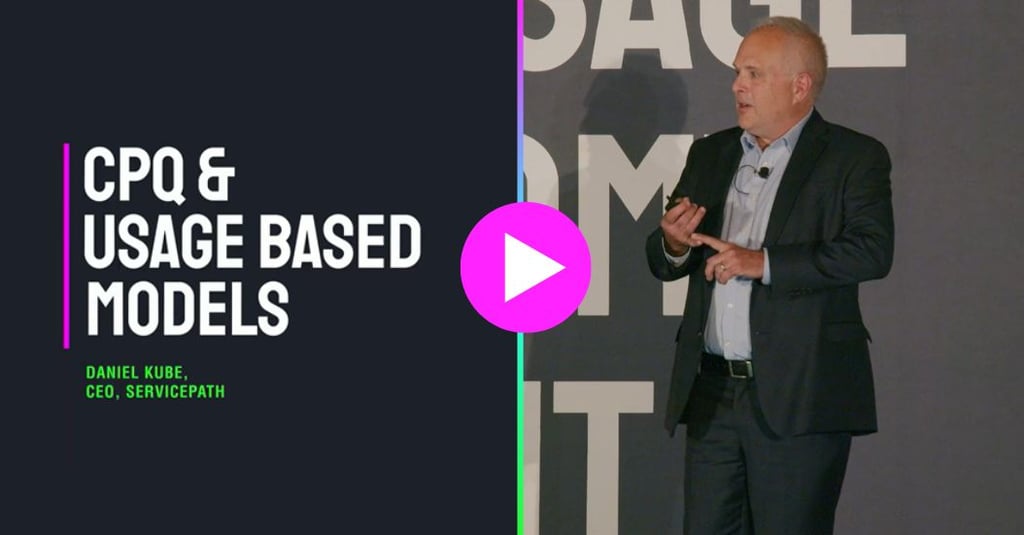
At the Usage Economy Summit 2025, Daniel Kube, CEO at servicePath™ underscored a crucial truth. Organizations can no longer depend on intuition or outdated Configure Price Quote methods when their products incorporate elements such as compute cycles, cooling infrastructure, power consumption, software layers, and embedded AI. Navigating this new landscape requires precision, transparency, and an operational approach that blends deterministic accuracy with intelligent automation.
The Need for a Cost First Mindset
In complex B2B environments, large deals often carry layers of hidden cost. Power, cooling, tokens, data retrieval, hardware, services, and third-party fees all sit beneath the surface. Without explicit modeling of these inputs, sales teams are flying blind. Daniel proposes expanding CPQ into C-CPQ, which brings cost into the configuration process and ensures every quote includes a full economic profile.
This approach gives RevOps visibility into deal profitability, payback timelines, and P&L impact before approval. It provides guardrails that prevent margin erosion while allowing sales teams to move quickly.
AI Helps, but Accuracy Still Demands Structure
AI accelerates analysis, improves guided selling, and supports deal qualification. It can harvest knowledge from senior engineers and help new sellers propose valid configurations. However, AI also introduces unpredictable costs. Token-based billing models can generate unexpected expenses, and certain tasks can trigger high usage without warning.
This reality makes it essential to fuse AI insights with deterministic controls. Pricing precision, configuration logic, and margin protection must sit inside strict rules that guarantee five nines accuracy.
Guided Selling Reduces Risk and Increases Consistency
Outcome based pricing is only successful when sellers can properly qualify consumption patterns. Guided selling uses structured questions and embedded expertise to help teams propose offers that protect both customer value and vendor economics. It also removes mundane tasks from technical staff and supports faster sales cycles.
Clear Insight Creates Strategic Advantage
Dashboards that map costs, margin, and expected cash flow for each deal give leadership an accurate picture of risk and return. Service contract histories show how customers evolve over time and help forecast renewals or expansions. Together, these tools turn uncertainty into informed decision making.
Conclusion
The pace of change in the AI and usage economy is accelerating. Organizations that combine deterministic pricing discipline with AI driven guidance will price with confidence, avoid hidden risks, and capture more profitable revenue. The firms that invest in cost visibility, guardrails, and adaptive architecture will be the ones that thrive in the next generation of monetization.
To explore Daniel’s full insights on achieving precision, resilience, and profitability in modern pricing, watch the full recording of his presentation.
Comments