

In a move that’s turning heads across the SaaS and enterprise tech landscape, Microsoft has announced that AI features in Notepad and Paint will now be paywalled, available only to Microsoft 365 subscribers. While this may seem like a minor update to two legacy apps, it signals a massive shift in how software vendors are thinking about product packaging, monetization, and the role of artificial intelligence in delivering—and charging for—value.
As reported by CNET, Microsoft is rolling out capabilities like “Rewrite” in Notepad (which rephrases sentences) and “Generative Fill” in Paint (which adds or removes image elements based on AI prompts). However, these features are locked unless users have an active Microsoft 365 subscription.
This isn’t just about Notepad. It’s a signal to the entire industry:
AI is no longer a differentiator. It’s a monetizable asset.
The Rise of Feature-Level Monetization in SaaS
What Microsoft is doing isn’t entirely new—it’s a feature-gating strategy common in freemium models. But doing it with AI in default Windows tools? That’s new.
For SaaS businesses, this signals a broader opportunity—and an urgent need—to move toward flexible, usage-based monetization strategies. Instead of treating AI like a bundled perk, Microsoft is assigning value to specific, high-demand features and packaging them separately.
Here’s what that means for SaaS providers:
- Product teams must build features with clear business value—and clear monetization paths.
- Finance leaders must think beyond flat-rate subscriptions and consider pricing models based on consumption, activation, or output.
- Marketing teams must reframe the way they communicate product value—especially for AI-driven functionality.
Why Usage-Based Pricing Is Now Mission-Critical
With the high infrastructure costs associated with running large language models (LLMs), AI features are expensive to deliver at scale. Microsoft’s move reflects a growing consensus: offering AI features for free is not sustainable.
That’s where usage-based pricing models come in.
At LogiSense, we help SaaS and XaaS companies build monetization frameworks that can support:
- Dynamic, event-based billing
- Feature-specific usage tracking
- Tiered access to innovation, like AI, automation, and integrations
- Contract-level personalization that meets enterprise expectations
These capabilities aren’t just “nice to have”—they’re critical if your business wants to monetize innovation without compromising customer experience or margin.
The Monetization Playbook Is Evolving—Are You?
Microsoft’s AI paywall is a reminder to every product-led organization: You must operationalize your innovation.
It’s no longer enough to launch cutting-edge features. You need to:
- Track how they’re being used
- Align pricing with perceived value
- Deliver personalized monetization experiences
- Package, meter, and bill with flexibility and precision
Companies that succeed in doing this will not only improve profitability—they’ll improve adoption, retention, and trust.
Final Thoughts: What You Can Do Now
If you’re still bundling innovation under legacy pricing models, it’s time to rethink your monetization strategy. Your customers expect smarter pricing. Your infrastructure demands it. And now, the market is showing you how it’s done.
Let Microsoft’s move be the nudge.
If Notepad can monetize innovation, so can you.
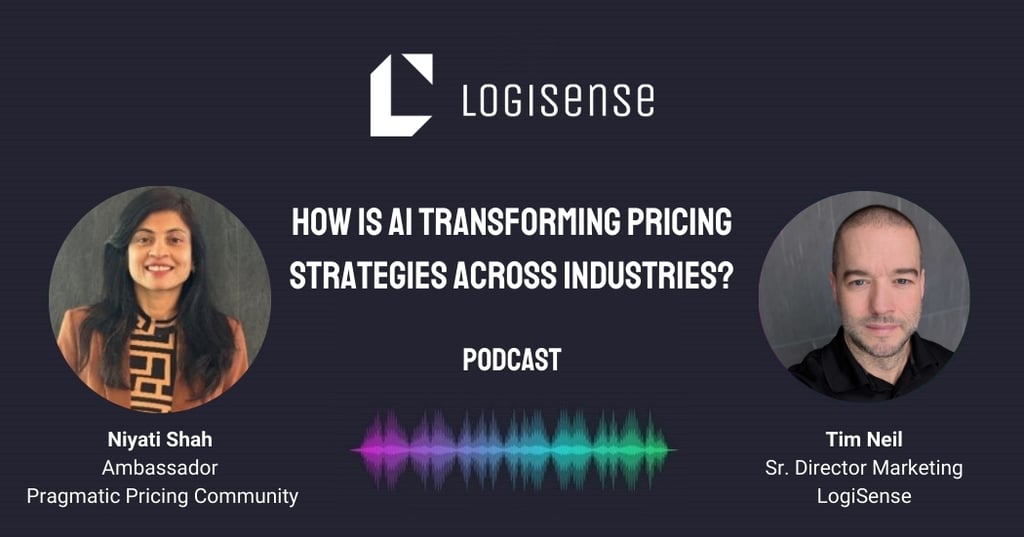
How Is AI Transforming Pricing Strategies Across Industries?
In this episode of the LogiSense Podcast, Tim Neil sits down with pricing and finance strategy expert Niyati Shah to explore how AI is transforming pricing strategies across industries. They discuss the challenges and opportunities of AI-driven monetization, from dynamic pricing models to token-based consumption and hybrid revenue strategies.
Whether you’re navigating the shift from subscriptions to AI-enhanced pricing or seeking insights on investor expectations, this conversation offers invaluable takeaways for B2B leaders looking to optimize revenue in the age of AI.
Comments