

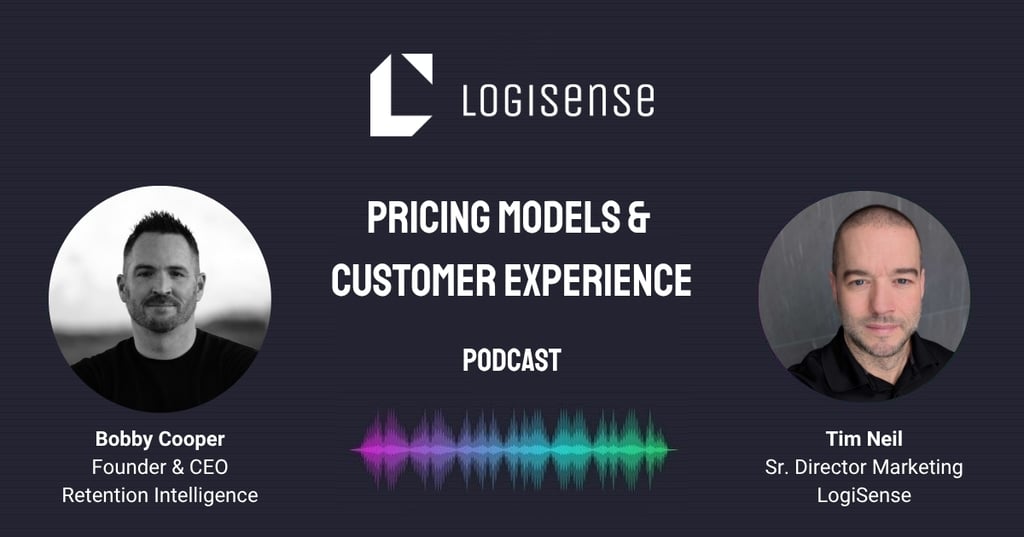
Pricing is more than a commercial tactic. It’s a defining element of customer experience and long term loyalty. In a recent discussion with Bobby Cooper, Founder and CEO of Retention Intelligence, we examined how pricing models shape customer perception, renewal outcomes, and overall satisfaction.
Pricing Works When It Connects to ROI
Across subscriptions, seat models, usage pricing, or outcome pricing, the strongest predictor of retention is a clear return on investment. Customers stay when they can see a direct link between what they pay and the value they receive. Tools tied to measurable outcomes are easy to justify, but even products with less tangible value must still communicate a clear narrative around utility and impact.
The Rise of Consumption and Outcome Based Pricing
Usage based and outcome based models are becoming more common because they align customer success with vendor revenue. When used correctly, they reward mutual growth. When mismanaged, they make high performing customers feel penalized. Clear attribution is essential. Customers must understand which portion of their success is directly driven by the vendor’s product to avoid the perception of a “tax on success.”
Why the Customer Journey Must Stay Aligned
One of Bobby’s central points is the need for consistency across marketing, sales, implementation, and customer success. If each team shifts the value story, the customer becomes disconnected from the original promise. A unified narrative sustains excitement, reinforces value, and strengthens renewals.
Expansion Comes From Outcomes, Not Seat Pushing
High performing customer success teams do not simply sell additional seats. They focus on the behaviours and workflows that create value. Using data to highlight performance gaps between power users and under-users helps customers justify expansion. This approach builds trust and drives natural adoption.
Flexibility Builds Loyalty
Empathy in pricing decisions creates long term advocates. Bobby shared examples where his teams suspended billing during crises, helping customers navigate difficult periods. These customers returned later as loyal supporters. Right-sizing accounts during contraction also ensures customers continue receiving strong ROI, which preserves relationships and reduces churn.
Data Should Inform Every Pricing Decision
Every signal needed to understand retention exists in customer data. The strongest companies continuously test, refine, and optimize their pricing strategies based on these insights. Predictive analytics platforms, such as Retention Intelligence, provide deeper visibility into the factors that influence retention and customer value.
Conclusion
Pricing directly influences customer experience, renewal outcomes, and expansion potential. Models grounded in ROI, clarity, attribution, and empathy consistently outperform those that rely on rigidity or product centric thinking. By aligning pricing with real customer value, companies build healthier, more loyal customer bases.
To explore these insights directly from Bobby Cooper and hear the full discussion on pricing, customer experience, and retention, watch the latest episode of our podcast. It offers practical guidance for any SaaS leader rethinking their pricing strategy.
Comments